 位置:海南商业网
> 旅游景点 > 旅游景点 > The Ultimate Hainan Travel Guide: Why This Tropical Paradise Should Be Your Next Destination
位置:海南商业网
> 旅游景点 > 旅游景点 > The Ultimate Hainan Travel Guide: Why This Tropical Paradise Should Be Your Next Destination
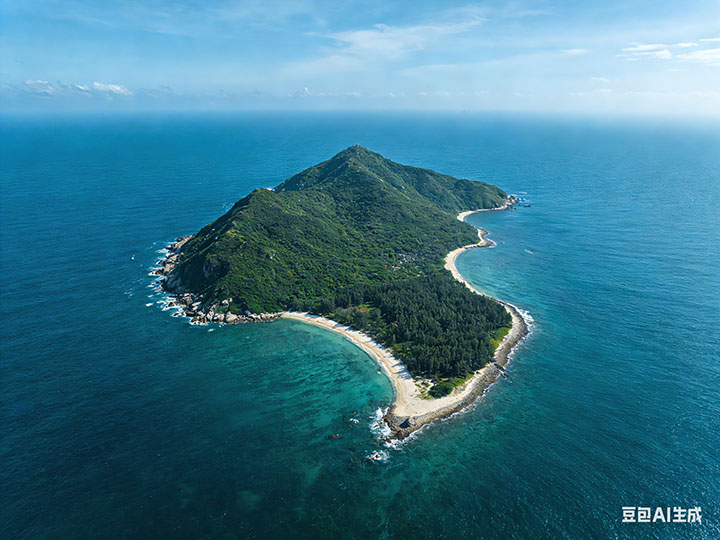
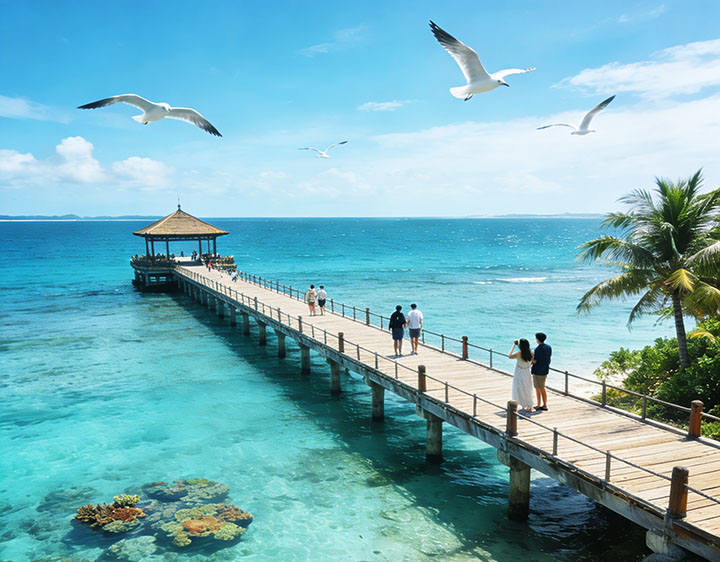
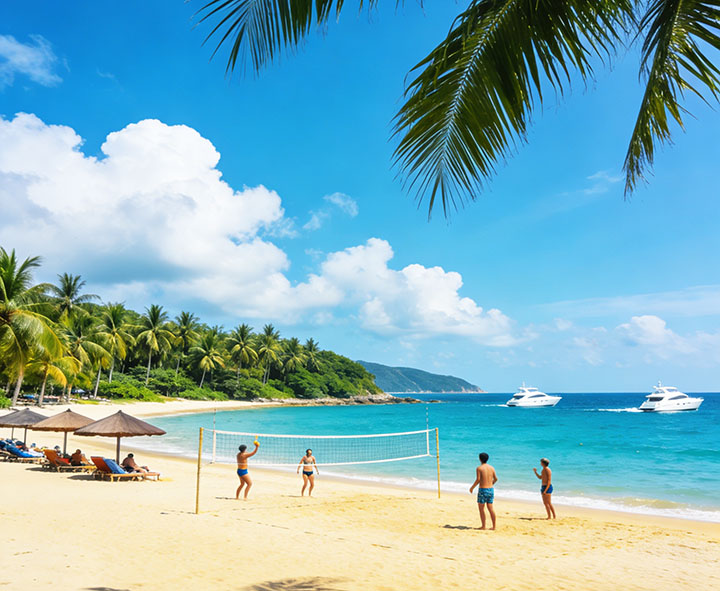
So, you’re thinking about a getaway? Somewhere with sun-kissed beaches, lush rainforests, and a vibe that just… slows time down? Let’s talk about Hainan. Nestled in the South China Sea, this island province isn’t just China’s Hawaii—it’s a world of its own. I mean, where else can you sip fresh coconut water under palm trees in the morning and hike through misty, ancient forests by afternoon?
But hey, don’t just take my word for it. Let’s dive in. What makes Hainan a must-visit spot, especially for English-speaking travelers? Well, grab a virtual seat, and let’s explore together—because by the end of this, you might already be packing your bags.
First Impressions: More Than Just Beaches
When people hear “Hainan,” they often picture Sanya’s white sands and blue waves. And sure, that’s a huge part of it. Yalong Bay, Dadonghai, and the crescent-shaped Sanya Bay are stunning, no doubt. But here’s the thing: Hainan is so much more. Think about it—what if I told you the island is home to volcanic geoparks, hot springs, and ethnic Li and Miao villages where traditions date back centuries? That’s the real magic.
Take the Yanoda Rainforest, for example. Walking through those towering trees, with sunlight filtering through the leaves and the sound of hidden waterfalls… it’s like stepping into a Jurassic Park movie, minus the dinosaurs (thankfully!). And if you’re into adventure, the zip-lines and canopy walks add just the right adrenaline kick.
A Cultural Tapestry You Can’t Miss
Okay, pause for a second. Let’s rewind to those ethnic villages. The Li and Miao communities, primarily in the central highlands around Wuzhishan, offer a glimpse into a totally different way of life. Their brocade weaving, bamboo dancing, and oral histories are UNESCO-recognized—and honestly, watching a local elder craft a colorful textile feels like witnessing living art.
Then there’s the food. Oh, the food! Hainanese cuisine is a flavor journey.Hainanese chicken ricemight be the superstar (tender poached chicken with fragrant oil rice—simple yet addictive), but have you tried*Wenchang chicken*or*Hele crab*? Street food stalls in Haikou’s Qilou Old Street serve up snacks like coconut rice cakes and spicy stir-fried clams. Pro tip: Visit a night market, follow the locals, and just point at what looks good. You won’t regret it.
Getting Around: Easier Than You Think
Now, I know what you might be wondering—is it easy to navigate as an English speaker? Honestly, yes. Major tourist areas like Sanya and Haikou have decent English signage, and ride-hailing apps (think Didi) work smoothly. But here’s a handy table to break down your options:
| TransportMode | BestFor | Tips&Notes |
|---|---|---|
| High-SpeedRail | Islandhoppingbetweencities(e.g.,HaikoutoSanya) | Scenic,affordable,takes~1.5-2hours;bookticketsonlineviaTrip.com. |
| RentalCar | Flexibilityforremoteareas(e.g.,DongzhaoCoconutPlantations) | Internationallicenserequired;drivecautiously—localtrafficcanbelively! |
| Taxis&Didi | Shorttripswithincities | UseDidi’sEnglishinterface;driversrarelyspeakEnglish,sohaveyourdestinationinChinesecharacters. |
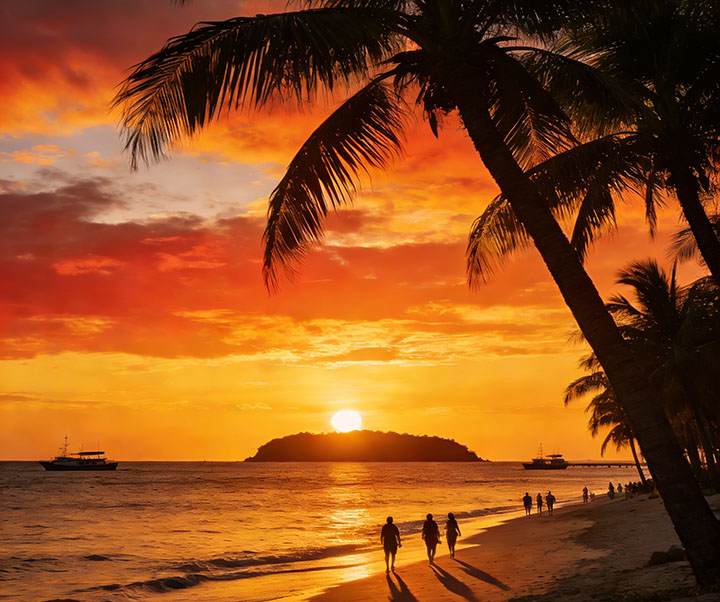
| Bicycles/E-Bikes | Coastalrides(e.g.,SanyaBaypromenade) | Perfectforsunsetviews;helmetsareamustinbusyzones. |
When to Go? Let’s Break It Down
Timing is everything, right? Hainan’s tropical climate means it’s warm year-round, but there are nuances. November to March is peak season—dry, sunny, ideal for beach lounging. But (and this is a big “but”) it gets crowded and pricey. April to June and September to October are my sweet spots: fewer tourists, lower costs, and still plenty of sunshine. July to August? Hot and humid, with occasional typhoons, though surfers love the waves.
Hmm, what about festivals? If you can, plan around theHainan International Coconut Festival(usually April) or theSanya International Music Festival(December). They’re vibrant, packed with energy, and a great way to mingle with both locals and travelers.
Hidden Gems Off the Beaten Path
You’ve probably heard of the Nanshan Buddhist Cultural Zone (that giant Guanyin statue is awe-inspiring) or the duty-free shopping in Haitang Bay. But let’s go deeper. Ever exploredXinglong Tropical Botanical Garden? It’s a quiet oasis with over 1,000 plant species—perfect for a lazy afternoon stroll. OrDongzhai Port Mangrove Forest, where you can kayak through serene waterways surrounded by twisting roots and bird calls. These spots feel untouched, almost secret.
And for the wellness seekers, Hainan’s hot springs are legendary.Guantang Hot Spring Resortnear Qionghai blends mineral-rich waters with lush gardens. After a long day of exploring, soaking under the stars… well, it’s pure bliss.
Sustainability: Traveling with Care
Here’s a thought: As tourists, we have a responsibility. Hainan’s ecosystem is fragile—coral reefs, rainforests, and all.Choosing eco-friendly tours(like reef-safe snorkeling) andsupporting local businesses(family-run guesthouses over big chains) makes a difference. The island is pushing for green tourism, so why not join in? Simple acts, like refusing single-use plastics on boat trips, help keep those beaches postcard-perfect.
Wrapping It Up: Why Hainan Stays with You
As I look back, Hainan isn’t just a place; it’s a feeling. It’s the taste of salt on your skin after a swim, the laughter shared with a street vendor trying to teach you Hainanese phrases, and the peace of watching sunrise over Wuzhishan. Whether you’re a solo adventurer, a couple seeking romance, or a family wanting fun in the sun, this island adapts to you.
So, is Hainan worth it? Absolutely. It’s a blend of relaxation and discovery, where every corner tells a story. Maybe your story starts here—with a plane ticket, an open mind, and a craving for coconut everything. Safe travels, and see you under the Hainan sun!
*P.S. Still curious? Drop a comment or message—I’d love to hear about your own Hainan dreams or tips!*
 1月4日
1月4日  3541 浏览
 1月4日 3395 浏览
 1月4日 2562 浏览
 1月3日 5765 浏览
 1月3日 4579 浏览



 版权说明:
版权说明:


