So, you’re thinking about a trip to Hainan? Nice choice! Honestly, I remember my first time planning a trip there—it was a mix of excitement and, let’s be honest, a bit of confusion. Where to start? What’s*really*important to know? If you’re feeling that way, you’re in the right place. This guide isn’t some formal textbook; think of it as a chat from someone who’s been there, sharing the stuff I wish I knew before landing on that gorgeous island.
This is probably the most common question, right? Hainan’s weather is… well, it’s tropical. That means it’s warm most of the year, but there are nuances.
*The Sweet Spot (November to April):Hands down, this is the golden period. The heat and humidity take a step back, sunshine is plentiful, and rain is less frequent. It’s perfect for beach days and exploring. Chinese New Year (usually Jan/Feb) is stunning but also the absolute peak—prices skyrocket and places get packed. Just a heads-up.
*The Hot & Rainy Season (May to October):It’s hot, like,*really*hot and humid. Afternoons often see short, heavy downpours. But here’s my personal take: if you don’t mind the heat and occasional rain shower, this season has its charm. Fewer crowds, lush green scenery, and sometimes better deals. Plus, the sea is wonderfully warm. Just pack a good rain jacket and be flexible with outdoor plans.
Packing? Keep it simple:
*Lightweight clothesare your best friend. Think cotton, linen.
*Swimwear, obviously. Maybe two sets?
*Sun protection is non-negotiable.High SPF sunscreen, a hat, and sunglasses. I cannot stress this enough—the sun is strong.
*Comfortable sandalsfor the beach andwalking shoesfor sightseeing.
*Apower adapterif your plugs are different from the Chinese Type A/I standard.
Hainan is an island, but it’s not small. Getting between cities like Sanya and Haikou requires some planning.
*By High-Speed Rail:This is the go-to for efficiency. The east coast line connects major spots (Haikou, Qionghai, Sanya) and it’s fast, clean, and reliable. You can book tickets easily on apps like Trip.com or at the station.
*By Car:Renting a car gives you ultimate freedom, especially for discovering hidden beaches or driving the scenic mountain roads.Important note:You’ll need anInternational Driving Permit (IDP)alongside your home country license. Traffic rules are similar to the mainland, but do take a moment to familiarize yourself with local signs.
*Taxis & Ride-Hailing:In cities, DiDi (China’s Uber) is super convenient. Taxis are everywhere too. Always ask the driver to use the meter (*“dǎ biǎo”*). For short trips in tourist areas, you might see electric tuk-tuks—agree on a price before hopping in.
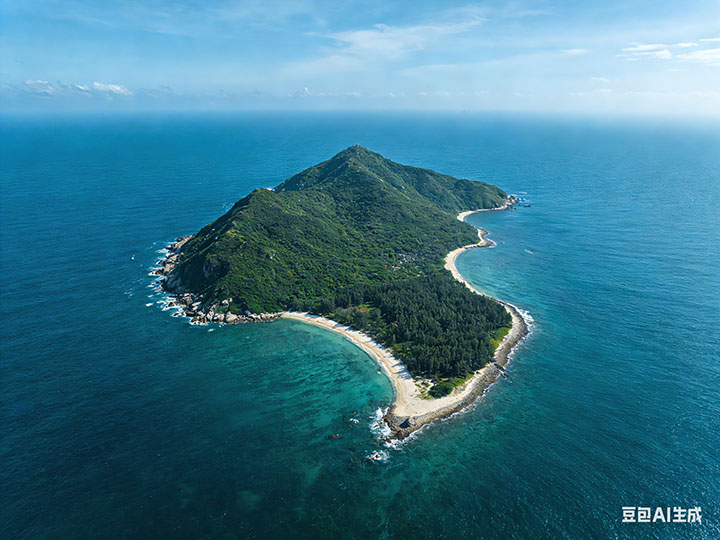
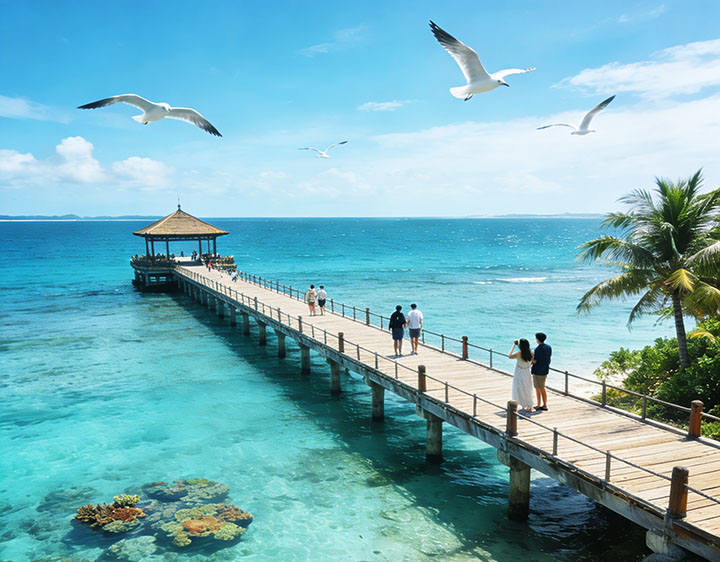
Alright, let’s talk fun. Hainan isn’t just one big beach (though the beaches are fantastic). It has layers.
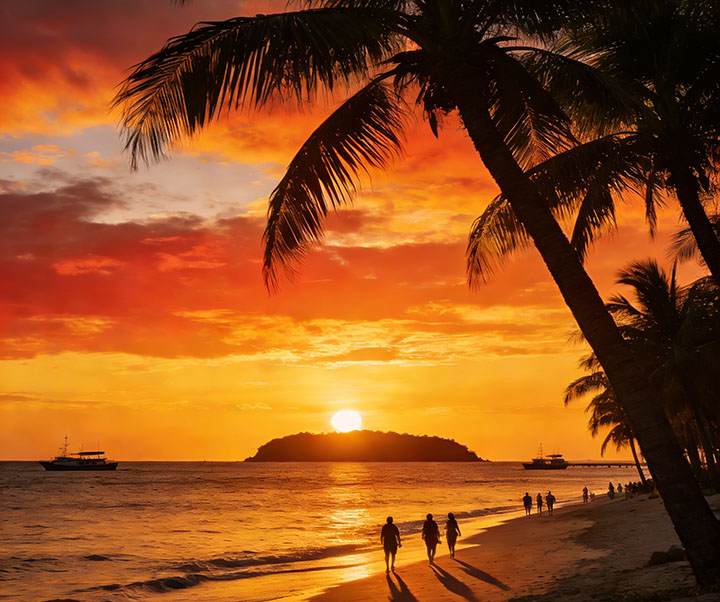
*Sanya:This is the poster child.Yalong Bayis pristine and upscale.Dadonghaiis more central and lively.Sanya Bayis great for sunset strolls. Beyond the sand,Nanshan Templewith its towering Guanyin statue is a profound cultural site—it’s busy but genuinely impressive.
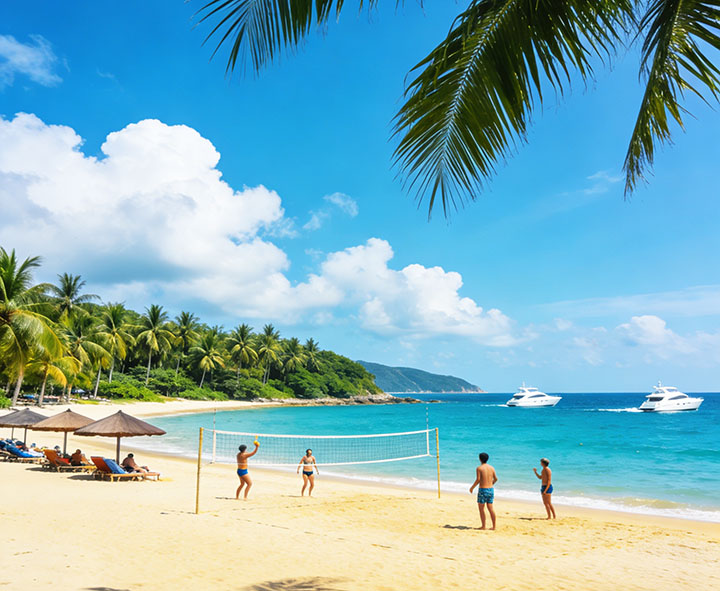
*The True Hidden Gem – Wanning:Personally, I prefer the vibe here over the busier parts of Sanya.Riyue Bayis a surfer’s paradise with a chill, youthful energy. The cafes by the beach are perfect for just… hanging out. It feels less manufactured.
*Haikou – The Northern Charm:The capital has history.Qilou Old Streetis a must-walk. These arcaded buildings blend Chinese and colonial styles. It’s a living, breathing area, not just a museum piece. Great for photos and trying local snacks.
*The Heart of the Island – Wuzhishan & Tropical Rainforest Park:If you need a break from the coast, head inland. The rainforests around Wuzhishan (Five Finger Mountain) are breathtaking. The air is cooler, and the biodiversity is insane. It’s a totally different side of Hainan.
Hainan cuisine is delicious and not overly spicy.Hainanese Chicken Riceis the superstar—don’t leave without trying it. Fresh seafood is everywhere; see it swimming in tanks at the restaurant? That’s a good sign.Wenchang ChickenandHele Crabare local specialties. For the adventurous, tropical fruits like mangosteen, durian, and dragon fruit are sold on street corners.
Now, on to staying safe—it’s mostly common sense, but worth repeating:
*Swim Safety:Only swim at beaches with lifeguards and within marked safe zones. Rip currents can happen. Don’t underestimate the ocean.
*Sun & Heat:Drink way more water than you think you need. Heatstroke is a real risk. Take breaks in the shade.
*Belongings:In crowded markets or tourist hubs, keep an eye on your bag. It’s not particularly dangerous, but basic vigilance is smart.
*Money:While mobile payments (WeChat Pay/Alipay) are king, having somecash (RMB)is wise for small vendors or remote spots.
A little awareness goes a long way in making your trip smoother.
*Bargainingis expected in tourist markets (not in malls or supermarkets). Start at about half the asking price and negotiate with a smile. It’s a game, not a fight.
*Tippingis not a standard practice in China. In nice restaurants, a service charge might already be included. You don’t need to tip taxi drivers or hotel bellhops.
*Basic Mandarin phraseslike “Nǐ hǎo” (Hello), “Xièxie” (Thank you), and “Duōshǎo qián?” (How much?) will earn you big smiles. Even a failed attempt is appreciated.
Look, planning any trip can feel overwhelming. But Hainan, at its core, is about relaxation and natural beauty. You don’t have to see everything. Maybe your perfect day is just planting yourself on a beach with a coconut. That’s a successful Hainan day in my book.
The island has this incredible ability to cater to both the luxury seeker and the budget backpacker. My biggest piece of advice?Leave some room in your itinerary for spontaneity.Get lost in a local market, strike up a conversation with a friendly shop owner (translation app ready!), or follow a small path to a secluded cove. Often, those unplanned moments become the best memories. Hainan is waiting, and it’s honestly more welcoming and easier to navigate than you might think. Just go for it.
 1月4日
1月4日  3541 浏览
 1月4日 3395 浏览
 1月4日 2562 浏览
 1月3日 5765 浏览
 1月3日 4579 浏览



 位置:
位置: 版权说明:
版权说明:


