Good morning, everyone. Have you ever imagined a place where the taste of the ocean meets the fragrance of tropical forests? Where every meal is not just food, but a story of sunshine, sea breeze, and centuries of cultural fusion? Well, let me take you on a culinary journey to that very place – Hainan, China's tropical island paradise.
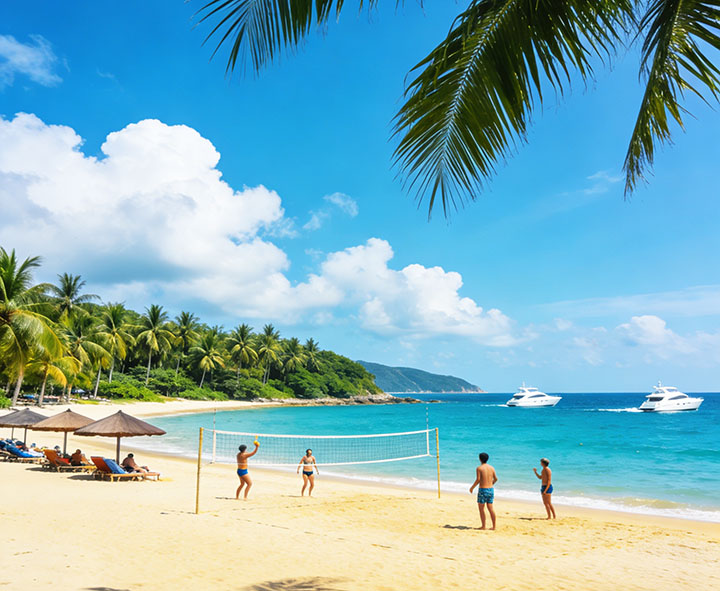
Now, when we talk about Hainan... (pauses for effect) most people instantly think of its stunning beaches. But I'm here to tell you that the real magic, the soul of Hainan, lies on your plate. Hainan cuisine, or as the locals call it,"Qiong Cai"Qiong Cuisine), is a hidden gem waiting to be discovered. It’s not just about eating; it’s about experiencing a philosophy that honorsfreshness, simplicity, and the natural harmony of flavors.
Think about it for a second. An island, surrounded by the bountiful South China Sea, blessed with year-round sunshine and fertile volcanic soil. What do you get? An incredible abundance of ingredients. For over 2,000 years, this bounty has been shaped by the culinary wisdom of local ethnic groups like the Li and the Miao, blended with techniques from neighboring Guangdong and Fujian, and even spiced up with influences from across Southeast Asia. The result? A cuisine that is uniquely Hainanese – vibrant, diverse, and incredibly delicious.
So, what makes it tick? Let me break it down into three core pillars.
First, and foremost, is the fanatical pursuit of ingredient quality.The mantra here is "e-day fresh." Fish? Caught at dawn, on your table by noon. Chicken? Raised on local farms, known for their tender texture. Vegetables? Often picked just hours before cooking. This isn't a fancy restaurant gimmick; it's a way of life. The cooking methods, therefore, tend to be simple – steaming, boiling, quick stir-frying – all designed tolet the inherent, pristine quality of the ingredients shine through. You don't need heavy sauces when you have a perfectly ripe mango or a just-steamed grouper.
Second is the iconic dish that has conquered taste buds worldwide: Hainanese Chicken Rice.Now, I see some of you nodding. Yes, you might have tried it in Singapore or Malaysia. But let's trace its roots home. It starts with theWenchang chicken, a special breed known for its thin, elastic skin and exceptionally tender, flavorful meat. The chicken is poached to silky perfection. But the real genius lies in the rice. It’s not just boiled; it’s fried with garlic and ginger, then simmered in that flavorful chicken broth and a touch of chicken fat. Every grain becomes fragrant, savory, and utterly irresistible. And then, the trio of dips: a spicy chili sauce, a pungent ginger paste, and dark soy sauce. Each bite, with a different combination, is a new experience. It looks simple, but this simplicity is the hallmark of a sophisticated culinary tradition.
Third is the incredible diversity beyond the chicken.Hainan is a treasure trove of flavors. Let’s look at some categories:
| Category | Examples&Characteristics | WhyIt'sSpecial |
|---|---|---|
| :--- | :--- | :--- |
| Seafood | SteamedCrab,CoconutMilkShrimp,ClearSteamedFish | Minimalseasoninghighlightsthesweet,freshtasteofthedailycatchfromtheSouthChinaSea. |
| LandDelicacies | WenchangChicken,JiajiDuck,LingaoRoastSucklingPig | Utilizespremiumlocalpoultryandlivestock,oftenwithuniquefeedingpractices(e.g.,volcanicpasture-fedmutton). |
| Tropical&Fusion | HainanCoconutRice,CoconutChickenPot | Innovativelyusescoconut,asignatureislandproduct,creatingsweet,aromatic,andheartydishes. |
| HistoricalRoots | DishesmentionedbySuDongpo(yams,localhoney) | Connectsthecuisinetoarichliteraryandhistoricalpast,showingadaptationandresourcefulness. |
Thecoconut, by the way, deserves a special shout-out. It’s not just a drink. Imagine tender chicken stewed inside a whole coconut, the meat absorbing all the sweet, creamy juice. Or glutinous rice steamed in a coconut shell, infused with its tropical aroma. It’s nature’s perfect bowl and flavor enhancer, all in one.
But Hainan cuisine is more than a list of dishes. It’s a story of resilience and fusion. Centuries ago, exiled scholars like Su Dongpo found the island "lacking in all food." Yet, from that perceived scarcity, the locals and settlers created abundance. They learned from the Li and Miao communities, incorporated new ingredients from trade, and developed a cuisine that is both comforting and exciting.
So, why should the world pay attention? In an era where we are increasingly disconnected from our food sources, Hainan cuisine offers a powerful reminder. It teaches us to respect ingredients, to understand that less can indeed be more, and that the best flavors often come from cultural exchange and harmony with nature.
In conclusion, Hainan is not just a destination for your eyes, but for your palate. It’s a place where you can taste the sunshine in a mango, the ocean in a steamed fish, and centuries of history in a bowl of fragrant chicken rice. Its cuisine is an open invitation – simple yet profound, local yet universally appealing.
Thank you. And I hope one day, you all get to take a real bite of Hainan.
 1月4日
1月4日  3470 浏览
 1月4日 3329 浏览
 1月4日 2498 浏览
 1月3日 5680 浏览
 1月3日 4486 浏览



 位置:
位置: 版权说明:
版权说明:


