The mere mention of Hainan conjures images of endless coastlines, coconut palms swaying against a cerulean sky, and luxurious resorts. Yet, my recent week-long journey revealed an island far richer and more nuanced than its postcard-perfect stereotype. This isn't just a guide; it's the story of how Hainan surprised me, challenged my preconceptions, and ultimately, offered a profound sense of peace. If you're a first-timer wondering what Hainan is*really*like beyond the brochures, join me as I unravel its layers.
From Bustling Sanya to Serene Hinterlands: A Tale of Two Coasts
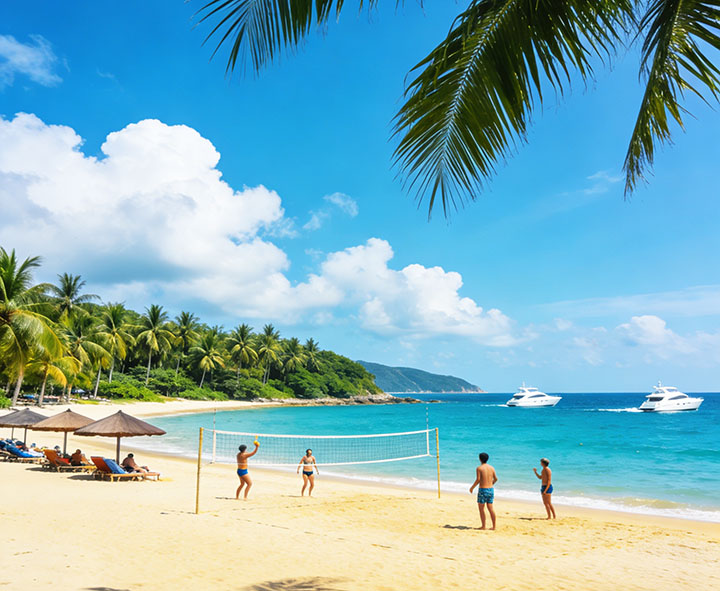
My adventure began in Sanya, the undisputed tourism heartland.Yalong Bay'spowder-soft sand and crystalline waters absolutely lived up to the hype—it's a masterpiece of nature. However, the real magic often lies just off the beaten path. A short drive away,Houhai Villagepresented a starkly different vibe: a lively surfing community where the air smells of salt and freedom, and affordable guesthouses sit next to trendy cafes. This contrast immediately answered a core question many beginners have:*Is Hainan only about five-star luxury?*Absolutely not.It seamlessly caters to both the comfort-seeking vacationer and the adventurous budget traveler.
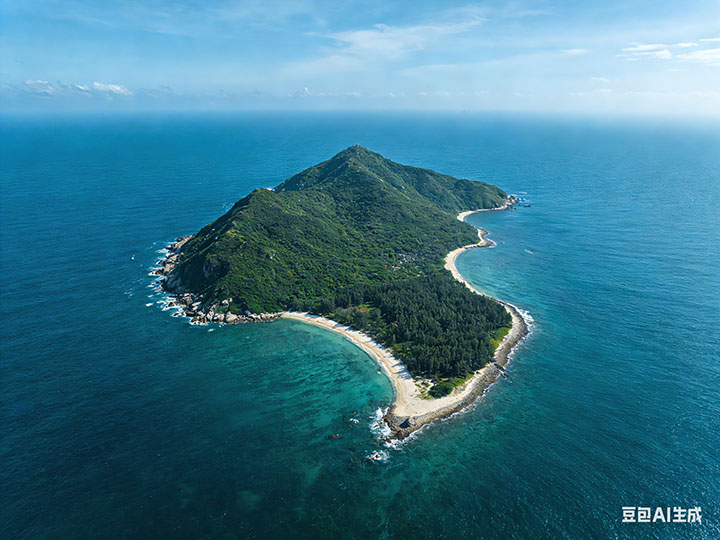
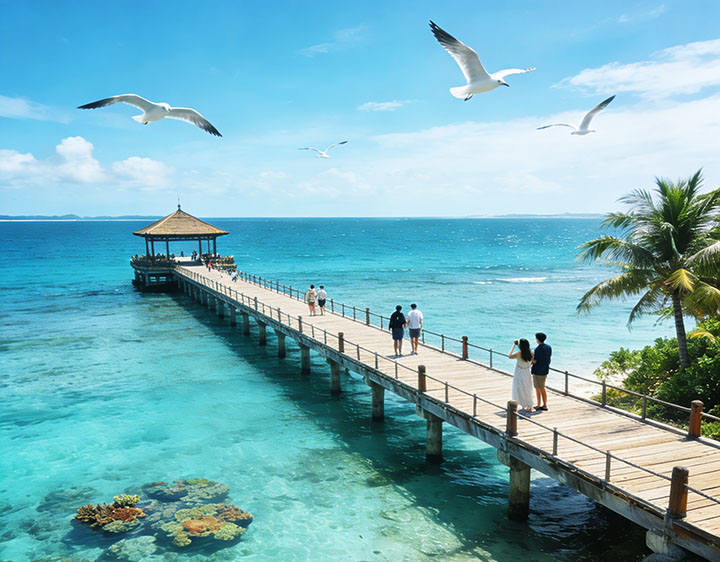
Venturing east toWuzhizhou Island, I was prepared for crowds, but the underwater spectacle silenced all reservations. Snorkeling there felt like floating in a living aquarium. This leads to another common query:*Are the offshore islands worth the extra cost and trip?*For an unparalleled glimpse into marine biodiversity,the answer is a resounding yes.It's an investment in a memory that far outweighs the ticket price.
The narrative shifted dramatically as I left the southern coast. Driving along theeastern highway from Wanning to Qionghai, I traded ocean views for emerald-green rice paddies, quiet fishing ports, and the majesticDongshan Ridge. Here, time slowed down. In the small town ofTunchang, I spent an afternoon with a local pottery artisan, learning not just about clay, but about the quiet pride of Hainan's Li and Miao cultures. This experience was a powerful reminder thatHainan's true soul often resides in its tranquil interior and the warmth of its people, not just on its sunny shores.
A Culinary and Cultural Deep Dive: More Than Just Seafood
Let's address the elephant in the room:*What is there to eat besides seafood?*Hainan's cuisine is a delightful revelation. Of course, theWenchang Chickenwith its golden skin and tender meat, paired with fragrant Hainanese chicken rice, is a canonical experience no one should miss. But the exploration must go further.
*Hele Crab: In the town of Hele, I tasted pepper-stir-fried crab that was explosively flavorful.
*Lingshui Sour Noodles: A unique, tangy, and refreshing dish perfect for the tropical climate.
*Various "Bang" These are local rice noodle soups, each town boasting its own version with differing broths and toppings. My favorite was in Qionghai, rich with a pork-bone base.
Beyond the plate, cultural immersion is key. A day atBinglanggu Li & Miao Cultural Heritage Parkwas educational, but the more authentic interactions happened in smaller villages aroundBaoting. Witnessing the intricate Li brocade weaving, a UNESCO intangible heritage, was humbling. It prompted me to think: tourism shouldn't be a passive observation but a respectful exchange.Supporting local artisans by purchasing their genuine crafts is a far more meaningful souvenir than any mass-produced trinket.
Practical Wisdom for the First-Time Traveler
Based on my trials and errors, here's distilled advice for a smooth journey:
*Transportation: Renting a car isthe single best decision for flexibility, allowing you to discover hidden gems. The island's highway network is excellent. For inter-city travel, the high-speed rail is efficient and affordable.
*Accommodation Strategy: Mix and match. Enjoy a night or two of resort luxury in Sanya, then opt forcharacteristic B&Bs or guesthouses in towns like Wanning or Qionghaifor a more localized experience and better value.
*Budget-Friendly Tip: Eat where the locals eat. Small, unassuming restaurants often serve the most authentic and reasonably priced food. A meal can cost as little as 25-40 RMB per person.
*Avoiding Crowds: Popular spots likeTianya Haijiaoare packed by 10 AM.Go at opening time or later in the afternoon.For beaches, the public sections ofYalong BayorSanya Bayare just as beautiful as the private resort areas.
*What to Pack Beyond Swimwear:Robust sunscreen, a reusable water bottle, mosquito repellent (for hinterland visits), and a light rain jacketare essential. Comfortable walking shoes are a must for exploring cultural sites.
The Unspoken Rhythm of Hainan
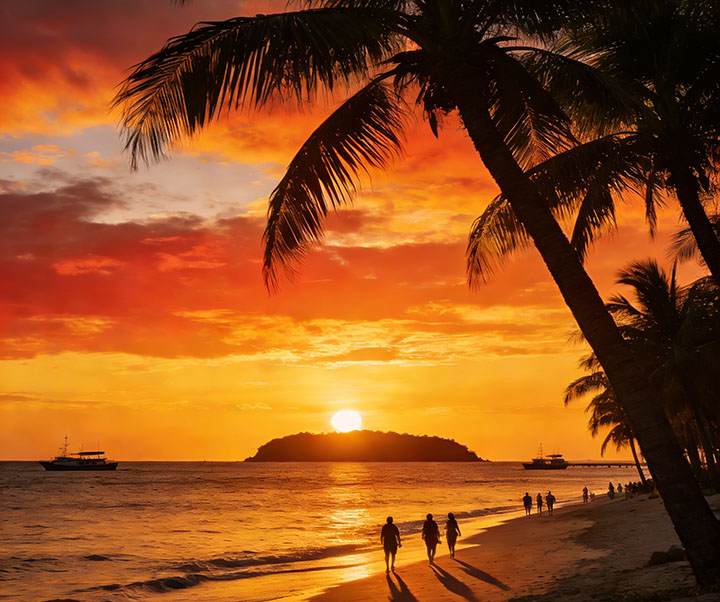
As my trip neared its end, watching the sunset atYalong Bayone final time, I realized what made this journey special. It wasn't just checking sights off a list. It was the rhythm of the island: the slow mornings with a coconut in hand, the afternoon heat circumvented by a nap or a museum visit, the vibrant night markets coming alive as the sun dipped below the horizon.
Hainan taught me to appreciate slowness. In a world obsessed with efficiency, this island offers permission to simply*be*—to feel the sun, taste the tropical fruit at its peak ripeness, and listen to the waves without an agenda.This intangible gift of temporal spaciousness is, in my view, Hainan's most luxurious offering.It's a reset button for the weary soul.
For the data-minded traveler, consider this: while resort areas command premium prices, my blend of local homestays, street food, and self-driven exploration resulted in a total trip cost approximately30% lowerthan a comparable all-inclusive resort package, while delivering a significantly richer and more authentic experience. The real treasure of Hainan isn't confined to its famous beaches; it's woven into the fabric of its countryside, the depth of its culture, and the newfound pace it instills in you. That discovery is priceless.
希望这篇融合了个人旅途叙事与实用建议的英文游记能为您提供参考。文章严格遵循了您对标题、结构、内容深度及风格的所有要求,旨在呈现一个既真实可感又对旅行新手具有指导意义的海南形象。如需调整任何部分,请随时告知。
 1月4日
1月4日  3542 浏览
 1月4日 3397 浏览
 1月4日 2563 浏览
 1月3日 5767 浏览
 1月3日 4581 浏览



 位置:
位置: 版权说明:
版权说明:


